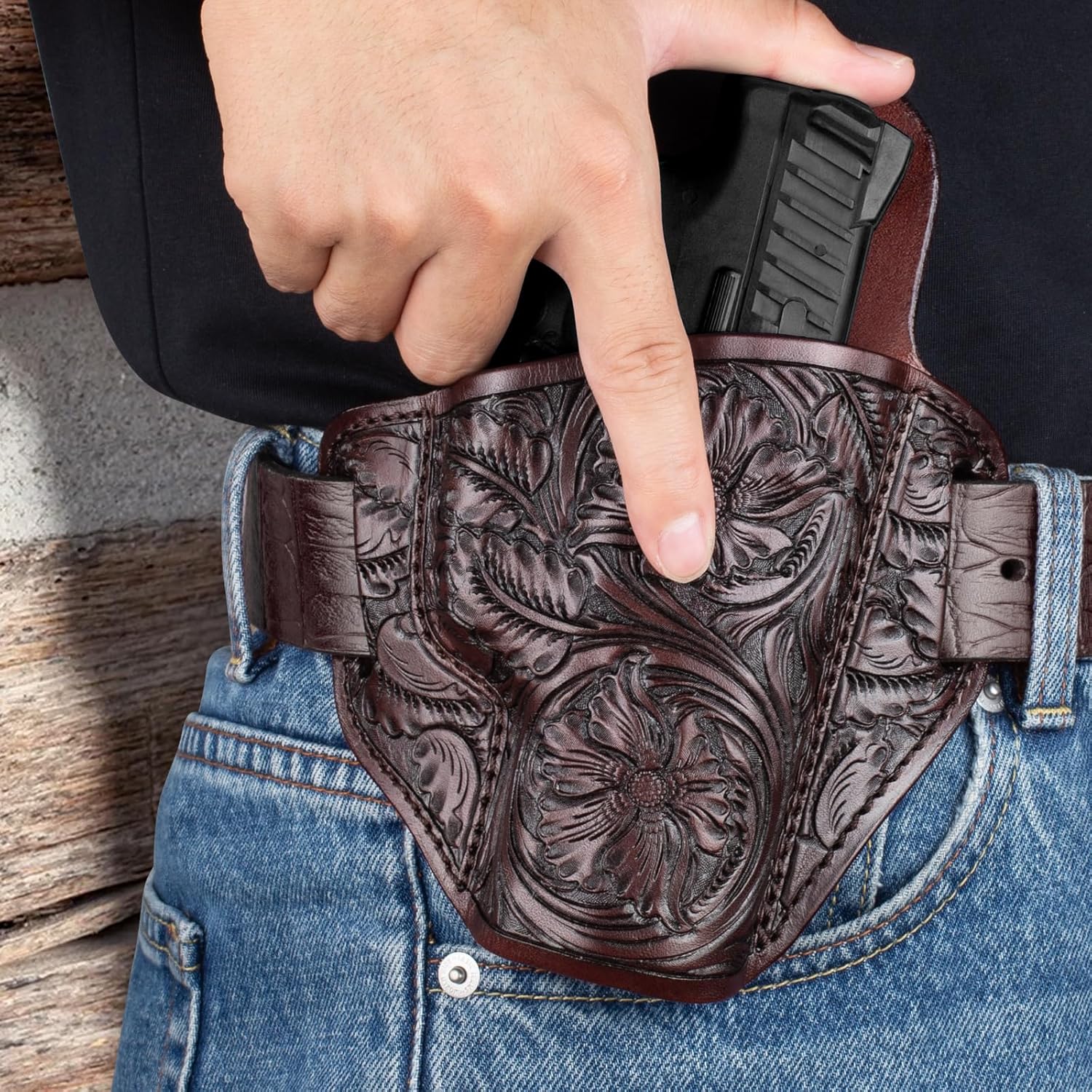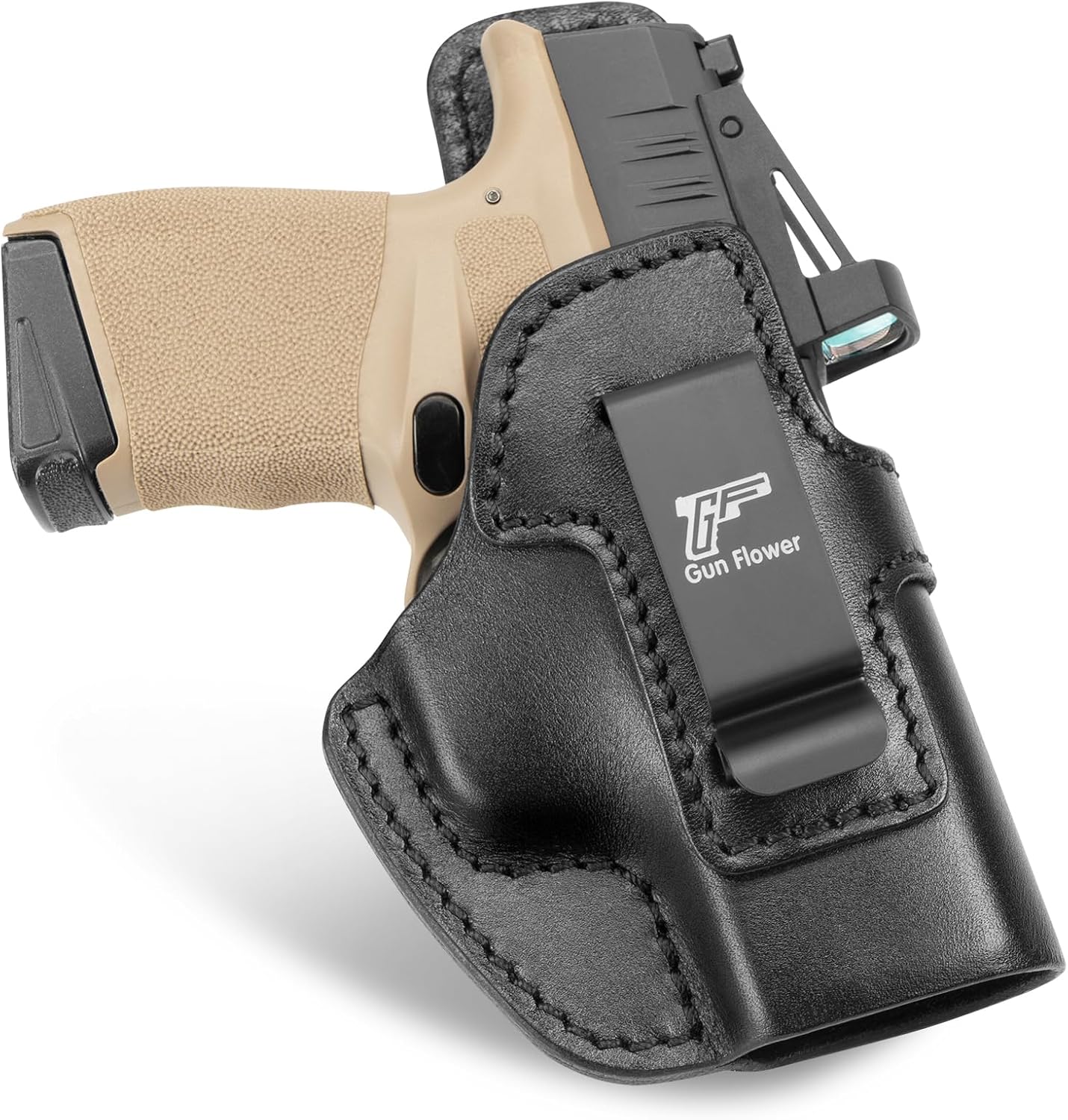

Leather has been the material of choice for holster makers for well over a century — and for good reason. It molds to your firearm, softens against your body, and develops a character over time that synthetic materials simply cannot replicate. But that natural beauty comes with a responsibility: leather demands care. Neglect it, and even the finest handcrafted holster will crack, stiffen, and fail prematurely. Treat it right, and it will outlast the gun it carries.
Whether you've just invested in your first full grain leather IWB holster or you've been carrying leather for years, this guide covers everything you need to know to keep your gear in peak condition.
Why Leather Holsters Deserve Special Attention
Unlike Kydex or nylon, leather is an organic material that responds to its environment. Heat, humidity, sweat, and UV exposure all affect its structure over time. The oils that give leather its suppleness can evaporate, leaving it brittle. Moisture from perspiration can cause warping or mold. Without periodic maintenance, even premium full-grain leather will deteriorate faster than it should.
The good news? Leather care is straightforward once you understand the basics. A small investment of time every few months pays dividends in longevity, comfort, and performance.
The Break-In Period: Setting the Foundation
New leather holsters require a break-in period before they reach their optimal fit and function. A holster that feels stiff out of the box is working exactly as intended — the leather needs time to conform to your specific firearm's dimensions.
How to break in a leather holster properly:
- Wrap your unloaded firearm in a thin plastic bag and insert it into the holster
- Leave it overnight to allow the leather to begin conforming to the gun's shape
- Repeat the draw stroke slowly and deliberately dozens of times over the first week
- Avoid forcing the process with excessive moisture or heat, which can damage the leather's structure
Our handmade IWB leather holsters are crafted from premium full-grain leather that breaks in beautifully, developing a custom fit unique to your firearm over time.
Cleaning: The First Step in Any Care Routine
Before conditioning, always clean your holster. Dirt, debris, and salt from perspiration act as abrasives that accelerate wear. Cleaning removes these contaminants and prepares the leather to absorb conditioner effectively.
What you'll need:
- Soft, lint-free cloth or horsehair brush
- Leather-specific cleaner (avoid household soaps — they strip natural oils)
- Warm water (used sparingly)
Cleaning process:
- Remove your firearm and any magazine from the holster
- Use a dry brush to remove loose surface debris
- Apply a small amount of leather cleaner to a cloth — never directly to the holster
- Work in gentle circular motions, paying attention to seams and stitching
- Wipe away residue with a clean, dry cloth
- Allow the holster to air dry completely before conditioning — never use direct heat
For holsters exposed to heavy sweat during summer carry, monthly cleaning is advisable. For lighter use, quarterly cleaning is typically sufficient.
Conditioning: Restoring What Daily Carry Takes Away
Conditioning is the heart of leather holster maintenance. It replenishes the natural oils that evaporate through use and environmental exposure, keeping the leather supple, crack-resistant, and water-repellent.
Choosing the right conditioner:
Not all leather conditioners are created equal. Avoid petroleum-based products like Vaseline, which can soften leather excessively and compromise retention. Instead, look for:
- Leather Honey — penetrates deeply without darkening most leathers
- Bick 4 — light conditioner ideal for regular maintenance
- Neatsfoot Oil — traditional choice, excellent penetration (use pure, not compound)
- Leather CPL — balances conditioning and protection in one step
Application method:
- Apply a small amount of conditioner to a soft cloth
- Work it into the leather using circular motions
- Pay extra attention to areas that flex during the draw stroke
- Allow 15–20 minutes for absorption
- Buff away any excess with a clean cloth
Less is more with conditioner. Over-conditioning can soften the leather to the point where it loses its shape and retention properties — the opposite of what you want in a carry holster.
Protecting Against Moisture: The Invisible Threat
Sweat is a leather holster's most persistent enemy. The salt content in perspiration is particularly damaging, drawing moisture into the leather while leaving behind corrosive residue. For those who carry in warm climates or physically demanding environments, moisture management is critical.
Practical moisture protection strategies:
- Apply a light coat of leather conditioner with water-resistant properties before summer carry season
- Consider a moisture-wicking undershirt between your body and the holster for IWB carry
- After particularly sweaty days, wipe down the holster's interior with a dry cloth before storage
- Never store a damp holster in a closed bag or safe — allow it to breathe
Our full grain leather OWB holsters feature tight grain structures that naturally resist moisture penetration, but even the best leather benefits from proactive protection.
Proper Storage: Where Holsters Go to Recover
How you store your leather holster when it's not in use matters more than most carriers realize. Poor storage accelerates aging and can permanently deform the holster's shape.
Storage best practices:
- Keep your firearm in the holster during storage — this maintains the molded shape and prevents collapse
- Store in a cool, dry location — avoid attics, car trunks, or anywhere subject to temperature extremes
- Allow airflow — leather needs to breathe; avoid airtight containers for long-term storage
- Keep away from direct sunlight — UV exposure fades and dries leather rapidly
- Avoid plastic bags — they trap moisture and promote mold growth
Recognizing and Addressing Common Problems
Even well-maintained leather holsters occasionally develop issues. Catching problems early prevents minor concerns from becoming irreversible damage.
Cracking and dryness:
The most common leather problem, caused by insufficient conditioning. Address early cracking by cleaning thoroughly and applying a generous coat of deep-penetrating conditioner. Allow 24 hours for full absorption before evaluating results.
Mold and mildew:
Appears as white or gray fuzzy growth, typically caused by storage in humid conditions. Clean affected areas with a cloth dampened with diluted white vinegar (1:1 ratio with water), allow to dry completely, then condition. Prevent recurrence by improving storage conditions.
Stiffening after wetting:
If your holster gets soaked, allow it to dry naturally at room temperature with your firearm inserted to maintain shape. Never use a hair dryer or place near a heat source. Once dry, condition thoroughly to restore suppleness.
Retention loss:
If your holster becomes too loose over time, a leather worker can often restore retention through careful reshaping. Prevention is better — avoid over-conditioning and store with your firearm in place.
Seasonal Maintenance Schedule
Building a consistent maintenance routine is the most effective way to extend your leather holster's lifespan.
Monthly (for daily carriers):
- Visual inspection for wear, cracking, or loose stitching
- Wipe down interior and exterior with dry cloth
- Light conditioning if leather appears dry
Quarterly:
- Full cleaning with leather-specific cleaner
- Thorough conditioning treatment
- Inspect hardware (snaps, loops, rivets) for security
- Check stitching integrity
Annually:
- Deep conditioning treatment
- Professional inspection if significant wear is present
- Consider re-dyeing if color has faded significantly
Matching Your Leather Holster to Your Carry Style
Understanding leather care is only part of the equation — choosing the right leather holster for your carry style ensures you're maintaining gear that truly serves your needs.
For concealed carry practitioners, our handmade leather IWB holster for Sig Sauer P365 offers the slim profile and custom fit that makes all-day carry genuinely comfortable. For those who prefer outside-the-waistband carry, our premium leather OWB holster for 1911 delivers the classic aesthetic and reliable retention that leather carry is known for.
The Long View: Leather as a Lifetime Investment
A quality leather holster, properly maintained, can last decades. Unlike synthetic alternatives that degrade predictably and require replacement, leather improves with age when cared for correctly. The patina that develops over years of carry tells a story — and a well-maintained leather holster becomes more comfortable, more fitted, and more personal with every passing year.
The investment in proper care products — a quality cleaner, a good conditioner, a few minutes of attention every month — is minimal compared to the cost of replacing a holster prematurely. More importantly, a well-maintained holster is a reliable holster, and reliability is the non-negotiable foundation of any carry setup.
Treat your leather right, and it will serve you faithfully for years to come.